
Property Guides
What Can You Build on a 33 x 66 ft Plot in Nairobi?
A plain-language look at small-plot development in Nairobi: how plot area differs from buildable area, what decides how tall you can build, and what to confirm before you spend on design.
By Victor | 10 October 2026 | 3 min read
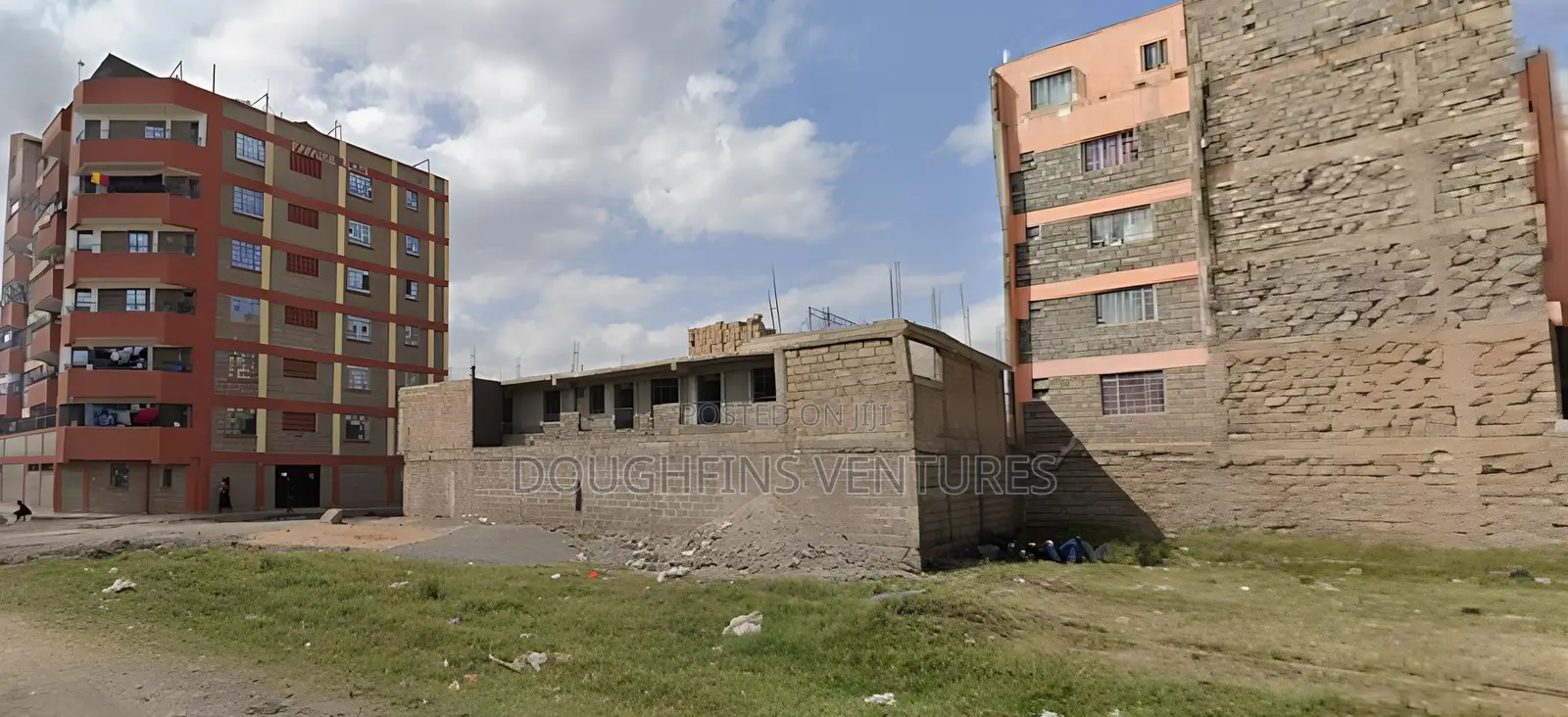
A plot of 33 x 66 ft is 2,178 square feet, about 202 square metres or roughly a twentieth of an acre. Plots this size are not unusual in Nairobi, and people often ask the same question about them: can you build apartments on it?
The honest answer is that it depends on things nobody can know until the plot is checked. This guide walks through what decides the answer, so you can ask the right questions before you spend money.
Plot area is not building area
You cannot build on every square foot you buy. The county sets how close a building may be to each boundary (setbacks), how much of the plot it may cover, and how high it may go. Access, parking, drainage and services also take up space.
On a small plot these limits matter even more. A 33 ft width, once setbacks are taken off, leaves a much narrower building. That affects how wide rooms can be, where the stairs go, and how many homes fit on each floor.
What decides how big the building can be
- The zone the plot sits in. Permitted use, height and coverage differ by zone. Only the county planning office can confirm them for a specific plot.
- Approvals. Development permission and building approval are needed before construction starts. Building without them can be stopped.
- The ground itself. Soil conditions and neighbouring buildings affect the foundation, and therefore the cost.
- Services. Water, power and drainage have to be available and have enough capacity.
Three ways people think about a small plot
- Low-rise: a short building with a few homes on each floor. It is usually quicker and cheaper to build, but there are fewer units to rent or sell.
- Mid-rise: a taller building with more homes on the same land. It needs a stronger structure and more services, and it is only possible if the zone allows the height.
- Mixed-use: a shop or office on the ground floor with homes above. This depends on the zone allowing commercial use.
None of these is automatically the right choice. Which one is even possible depends on the approvals above.
Before you spend on design
Confirm these first, with the right professional for each:
- Ownership. Have your advocate carry out an official search before you pay anything. Read our guide on what to check before buying land in Nairobi.
- Size and boundaries on the ground, confirmed by a licensed surveyor.
- What the county will allow on the plot: use, height, coverage and setbacks.
- A realistic cost, from a quantity surveyor, not a guess.
- Funding, and what it will cost you in interest and fees.
Test the numbers with real quotes
Land is only one part of the cost. Approvals, professional fees, utility connections, finance costs and a reserve for surprises all add up, and rents and building costs can change. A project should be tested on paper with real quotes before it is committed to.
We put a blank feasibility worksheet in our free guide so you can do exactly that with your own figures.
The Tassia plot
Doughfins Ventures is marketing a plot of this size in Tassia, Nairobi. You can see the current details, location and photos on the property page. Documents are shared with serious buyers on request, and you are welcome to visit the plot with a consultant before you decide anything.
Get the free concept guide
Our guide, Developing an Apartment on a 33 x 66 ft Plot, covers the points above in more depth. It includes illustrated concepts, a schematic floor layout, the approvals checklist, the professionals you would need, and the feasibility worksheet.
The drawings in the guide are illustrative concepts, not approved designs. This article is general information, not legal, financial, engineering or investment advice. Confirm requirements with the county and your own qualified professionals, and verify ownership and documents independently before paying any money.
This guide is general information, not legal, financial or investment advice. Laws, fees and procedures change, so confirm current requirements with your advocate and the relevant authorities before paying any money.